

More information:
Kid-Friendly Healthy
Recipe Roller
Who should be screened for Cardiovascular Disease?
____________
Did you know: Cardiovascular Disease is the leading cause of death in the US. It’s the leading cause of death for both men and women, across all ages and all races.
Cardiovascular Disease is called the silent killer because anyone could be living with a serious or life-threatening heart condition without knowing it. Too often people discover they have heart disease only after they are faced with a serious problem.
Click here to read more…
Everyday actions can help reduce your risk of heart disease
By: Darlene Jurgens, Registered Nurse at Osceola Regional Health Center
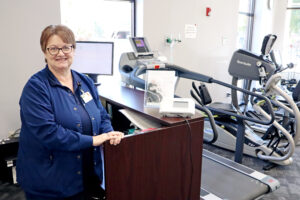
Darlene Jurgens, Planet Heart, Cardiac Rehab
As many of you know, February is American Heart Month. Why? Heart disease remains the leading cause of death for both men and women—but the good news is that much of it is preventable. It’s much easier to prevent disease than to reverse damage that’s already been done. Early screenings empower you with knowledge, giving you the chance to make adjustments while they can still lead to meaningful, lasting change.
One of the biggest misconceptions about heart disease is that it’s only a concern later in life. In reality, cardiovascular disease develops over decades. The habits you form in your 20s, 30s, and 40s lay the foundation for your health in your 60s and beyond.
Everyday Actions That Reduce Your Risk
Screenings provide awareness—but lifestyle choices drive long-term heart health. Small, consistent habits can significantly reduce your risk for cardiovascular disease:
- Move your body regularly: Aim for at least 150 minutes of moderate activity each week. Walking, cycling, swimming, and strength training all support heart health.
- Eat with your heart in mind: Focus on fruits, vegetables, whole grains, lean proteins, and healthy fats while limiting excess sodium, added sugars, and processed foods.
- Manage stress: Chronic stress can raise blood pressure and inflammation. Mindfulness, deep breathing, time outdoors, and adequate sleep all make a difference.
- Avoid tobacco and limit alcohol: Smoking is one of the strongest risk factors for heart disease, and excessive alcohol can strain the heart over time.
- Prioritize sleep: Quality sleep helps regulate blood pressure, metabolism, and stress hormones.
The Importance of Heart Screenings: Knowing Your Numbers
A heart screening is more than just a routine check—it’s a snapshot of how well your heart is working and how hard it’s working for you. Understanding these numbers helps identify risks early, often before symptoms ever appear.
Key heart health numbers include:
- Calcium Score CT: This scan is critical to early detection of heart disease. It looks for calcium buildup in the coronary arteries. It will give you a numeric score on the amount of calcium in your arteries and let you know your specific risk.
- Blood Pressure: High blood pressure forces your heart to work harder than it should, increasing the risk of heart attack, stroke, and heart failure. Even slightly elevated readings over time can cause damage if left unchecked.
- Cholesterol Levels: Cholesterol numbers tell a story about what’s happening inside your arteries. High LDL (“bad” cholesterol) can lead to plaque buildup, while HDL (“good” cholesterol) helps remove it. Knowing these numbers helps guide diet, lifestyle changes, or medication when needed.
- Blood Sugar: Elevated blood sugar levels increase the risk of diabetes, which significantly raises the risk for heart disease. Catching changes early allows for prevention rather than management.
- Body Mass Index (BMI) and Waist Circumference: These measurements help assess overall cardiovascular risk and are closely tied to blood pressure, cholesterol, and blood sugar levels.
Each number on its own is important—but together, they provide a comprehensive picture of your heart health and your future risk.
Vascular Screenings: A Powerful Preventative Tool
While heart screenings focus on how your heart functions, vascular screenings look at the health of your blood vessels. These screenings can detect narrowing or blockages in arteries that supply blood to your heart, brain, and limbs.
Vascular screenings are especially valuable because vascular disease often develops silently. Many people don’t experience symptoms until significant damage has already occurred. Identifying issues early allows for intervention before a heart attack or stroke happens, making vascular screening one of the most effective preventative tools available.
Take Control of Your Heart Health Today
Cardiovascular screenings are not just for people with symptoms—they’re for anyone who wants to be proactive about their health. By understanding your numbers, monitoring your vascular health, and making heart-smart choices every day, you’re investing in a stronger, healthier future.
The best time to take care of your heart isn’t later. It’s now. Call 712-754-5361 to schedule a Planet Heart screening at Osceola Regional Health Center. When you schedule your Planet Heart screening you will receive a comprehensive risk assessment and education from our expert team, including a diet quality index and nutrition counseling.