

Advanced Directives
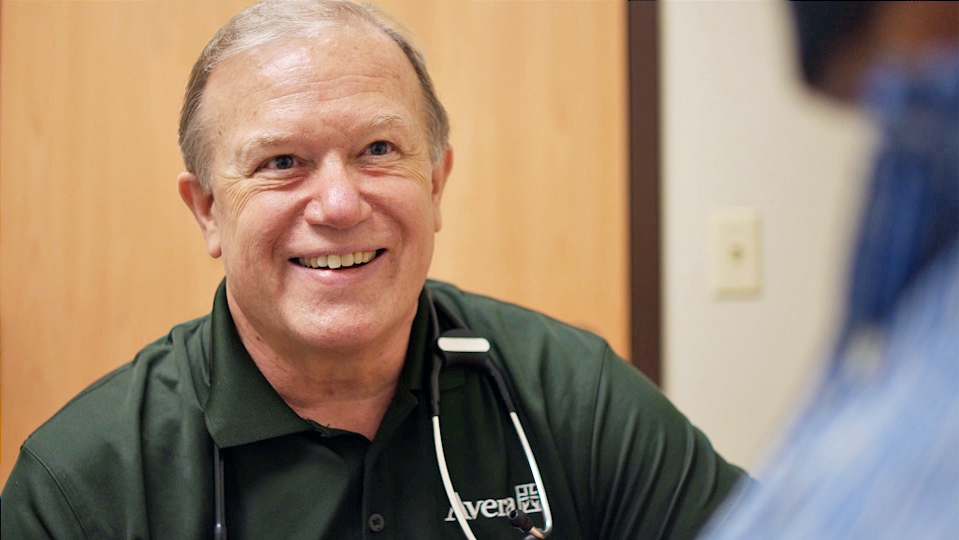
By Dr. Gregory Kosters, DO, FACOFP
Avera Medical Group Sibley and Osceola Regional Health Center
If you get a major illness or get injured and that illness or injury leaves you unable to communicate, have you taken steps to make sure you are cared for in the way you desire?
There are ways to help make sure your wishes are carried out. We call these “advanced directives”. There are several types of advanced directives: living wills, durable power of attorney for health care, as well as POLST/DNR orders.
Living wills serve as an expression of your wishes and treatment preferences should you suffer from a terminal condition, or other permanent condition in which you are unable to communicate. Treatment preferences may include your wishes about being on a ventilator, feeding tube, dialysis or other life sustaining treatments. There are different types of forms that help you achieve and set this up.
A durable power of attorney for health care is where you designate a person who will make medical decisions for you if you are rendered unable to communicate or make decisions because of a medical condition. This does not take effect unless you are deemed unable to communicate and is revocable if you recover and regain your ability to make your own decisions.
Physician Orders for Life-Sustaining Treatment (POLST) is a set of orders many states use to delineate which treatments to use for your condition, and which treatments not to use based on your preferences and conditions. These may include Do Not Resuscitate (DNR) type orders. A DNR order means if your heart stops or if you stop breathing, treatments like CPR, putting in a breathing tube or breathing for you will not be used.
The decisions about these advanced directives are yours, but they need to be communicated and in writing. Your loved ones, attorneys and medical providers need to know what your decisions are and need to be updated if you have changed your mind. Also, different states and jurisdictions may treat these documents differently, or there may be different laws as to how they take effect. So, if you have moved to a different state, they may need to be either redone or amended.
The use of advanced directives helps to ensure that there will be a dignified respect of your wishes regarding your health care and it helps to prevent unnecessary care near the end of life which may not be beneficial to you. Advanced directives also greatly assist your loved ones should they be called upon to decide how you will be cared for in the case of a catastrophic, terminal or long-term illness.
Do you have any advanced directives? If so, have copies been given to those who would be involved with making decisions about your health care? If not, do you have questions about how to get the process started? Even though many types of advanced directives do not require an attorney to draw them up, many people use their attorney to do this while they do other estate planning. Your local physician’s office, clinic, hospital or other health care facility can help you with information and provide you with sample forms to help.
There will be an opportunity to learn more about advanced directives at Osceola Regional Health Center on Feb. 20, 2026. Join us for a free lunch while, Dr. Greg Kosters from Avera Medical Group will be speaking on advanced directives at our Lunch and Learn. Visit our website to reserve your free lunch www.osceolarhc.org/lunchlearn.
Helpful Links:
Osceola Regional Health Center and Avera Medical Group Sibley worked together to host a free lunch and learning event on February 20, 2026. Dr. Gregory Kosters, DO, FACOFP, taught us what we need to know about Advanced Directives (who should have them, when you need them and more). Watch the full presentation.